
NASCAR Antitrust Case: Teams Claim Jim France Was “Brick Wall” in Negotiations
The attorney for 23XI Racing and Front Row Motorsports, Jeffrey Kessler, has portrayed NASCAR chairperson Jim France as a major obstacle in negotiations over the new revenue-sharing model. This model has led to a federal antitrust case against the top form of motorsports in the United States. The two teams, owned by Michael Jordan and Denny Hamlin, and Bob Jenkins, respectively, were the only ones out of 15 that refused to sign extensions on new charter agreements in September 2024.
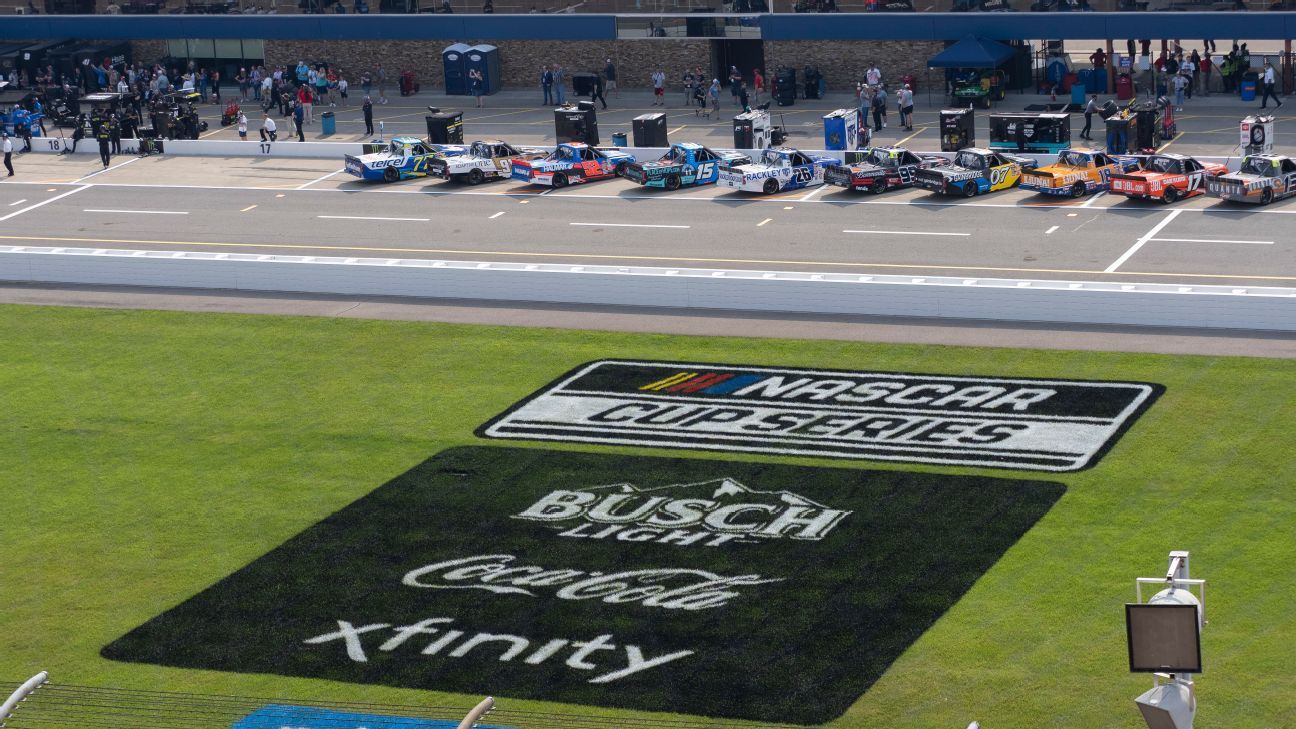
A charter in NASCAR is equivalent to a franchise in other sports, guaranteeing every chartered car a spot in all 38 races, plus a defined payout from NASCAR. The teams had been negotiating with NASCAR for over two years, seeking improvements to their financial position. However, the deal presented to them on the eve of the 2024 playoffs lacked most of their requested changes and gave teams a six-hour deadline to sign the 112-page document.
Negotiation Breakdown
Kessler spent several hours questioning NASCAR president Steve O’Donnell, using internal communications among NASCAR executives to demonstrate frustration among non-France family members over the slow pace of negotiations and Jim France’s refusal to grant permanent charters. The charter system was established in 2016 to create stability for teams, and the charters are renewable. One tense exchange involved an impassioned letter from Heather Gibbs, daughter-in-law of team owner Joe Gibbs, imploring France to grant permanent charters to help secure the family business.
O’Donnell testified that France was frustrated with the letter, but denied that he was swearing. Kessler pressed O’Donnell to reconcile his previous statement, in which he told Ben Kennedy, nephew of Jim France, that France was “reading Heather’s letter out loud and swearing every other sentence.” O’Donnell maintained that his boss was not cursing, despite the written account.
Teams’ Financial Struggles
The teams have argued that the deal ultimately given to them was “take it or leave it.” 23XI and Front Row were the only teams that refused to sign and instead sued in federal court over antitrust allegations. O’Donnell testified that teams approached NASCAR in early 2022, asking for an improved revenue model, arguing the system was unsustainable. The teams had specific requests, including maximized television revenue, a more competitive landscape, a new cost model, and a potential cost cap.
Bob Jenkins, owner of Front Row Motorsports, testified that he has lost $100 million since becoming a team owner in the early 2000s. He said the 2024 extensions went “virtually backward in so many ways” and that no owners he has spoken to are happy about the new charter agreement. Jenkins refused to sign because “I’d reached my tipping point.” He also expressed frustration with the current Next Gen car, which was introduced in 2022 as a cost-saving measure but has ended up costing teams more than expected.
Conclusion
The antitrust case against NASCAR continues, with the teams arguing that the sanctioning body’s actions have harmed their financial position and limited their ability to compete. The case highlights the complex and often contentious relationship between NASCAR and its teams, with the France family’s control over the sport a major point of contention. As the trial continues, it remains to be seen how the court will rule on the allegations and what impact it will have on the future of NASCAR.