
2026 World Cup Draw: A New Era for the Tournament
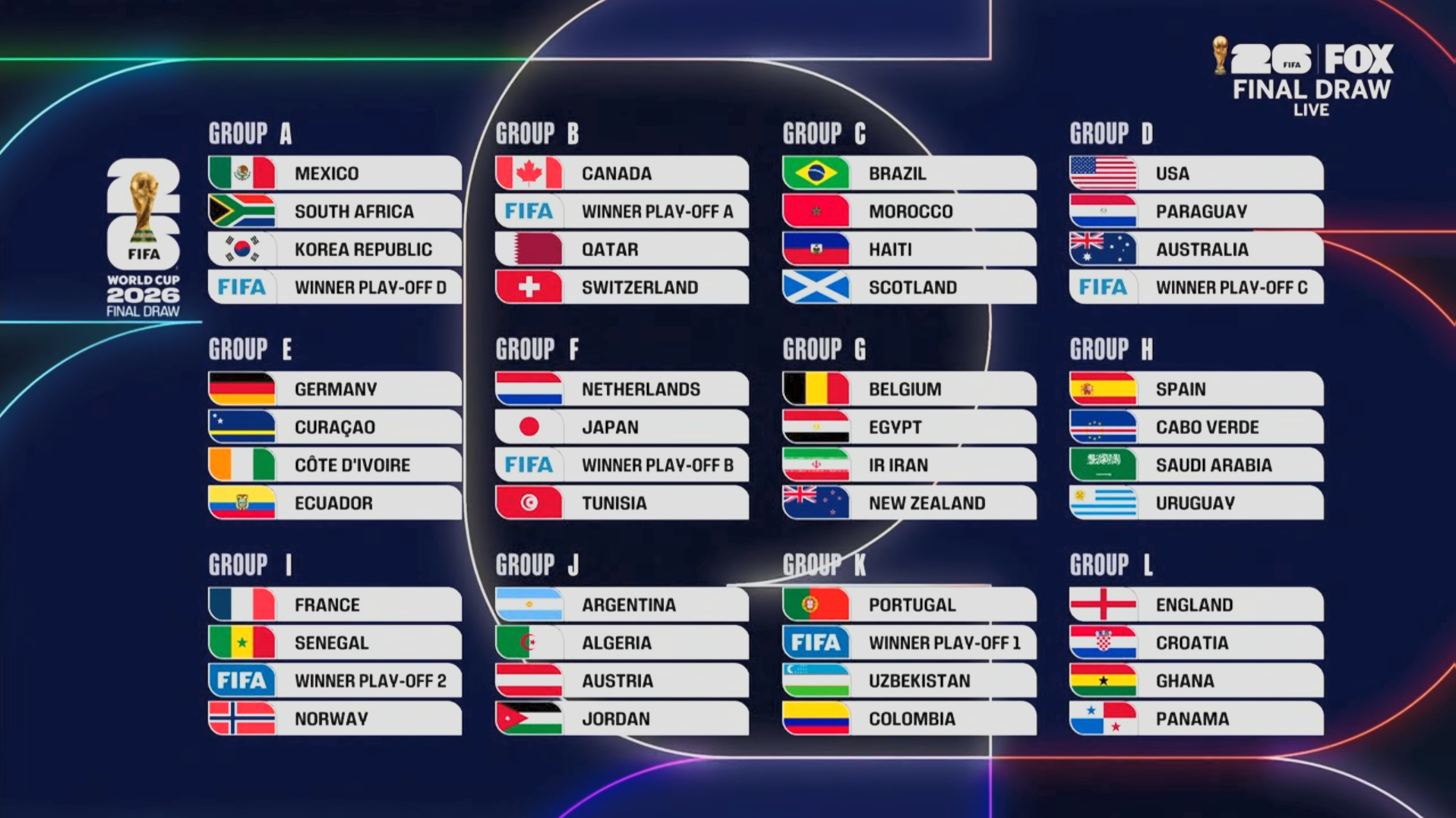
The 2026 World Cup draw ceremony, held on Friday, was a lengthy and elaborate affair, featuring a plethora of songs, skits, interviews, and speeches, including a notable appearance by Donald Trump. However, the main event that everyone was waiting for was the actual draw, which finally took place after a prolonged buildup. With just over six months to go until the start of the tournament, the general outline of the first 48-team World Cup has been determined.
According to FIFA, the 48-team format has introduced several weaker sides into the tournament, reducing the likelihood of a traditional “Group of Death.” Nevertheless, Group I appears to be the most competitive, featuring France, Senegal, and Norway, with the fourth spot still to be decided by a playoff in March. As noted by BBC Sport, Norway’s inclusion in Pot 3 has added an extra layer of complexity to the group. The hosts, Mexico, have been handed a relatively manageable draw, while Canada faces a tough challenge in a group with Switzerland and potentially Italy, if they can overcome their current struggles.
Impact of the Expanded Format
The expanded format has made it more difficult for top teams to be paired together in the group stage, as there are more weaker teams in the tournament. While this may be exciting for the participating teams, it also raises concerns about the potential for one-sided matches, such as Curaçao facing off against powerhouses like Germany, the Ivory Coast, and Ecuador. As ESPN points out, the draw has also highlighted the challenges faced by smaller teams in competing against more established nations.
Despite the pomp and circumstance surrounding the World Cup draw, the event has also been criticized for its association with corruption and human rights issues. As reported by Human Rights Watch, the 2022 World Cup in Qatar was marred by allegations of human rights abuses, and the 2026 tournament is likely to face similar challenges, particularly in light of the United States’ immigration policies. According to UNHCR, the tournament will need to navigate these issues carefully to ensure a successful and inclusive event.
Looking Ahead to the Tournament
With only 188 days to go until the start of the tournament, FIFA is betting on the World Cup’s stature to overcome the challenges it faces. As FIFA notes, the tournament will feature a new format, with 48 teams competing in eight groups of six teams each. The top two teams from each group will advance to the knockout stage, with the final taking place on July 22, 2026. As the tournament approaches, fans around the world will be eagerly anticipating the action on the pitch, while also watching closely to see how the event navigates the complex issues surrounding it.