

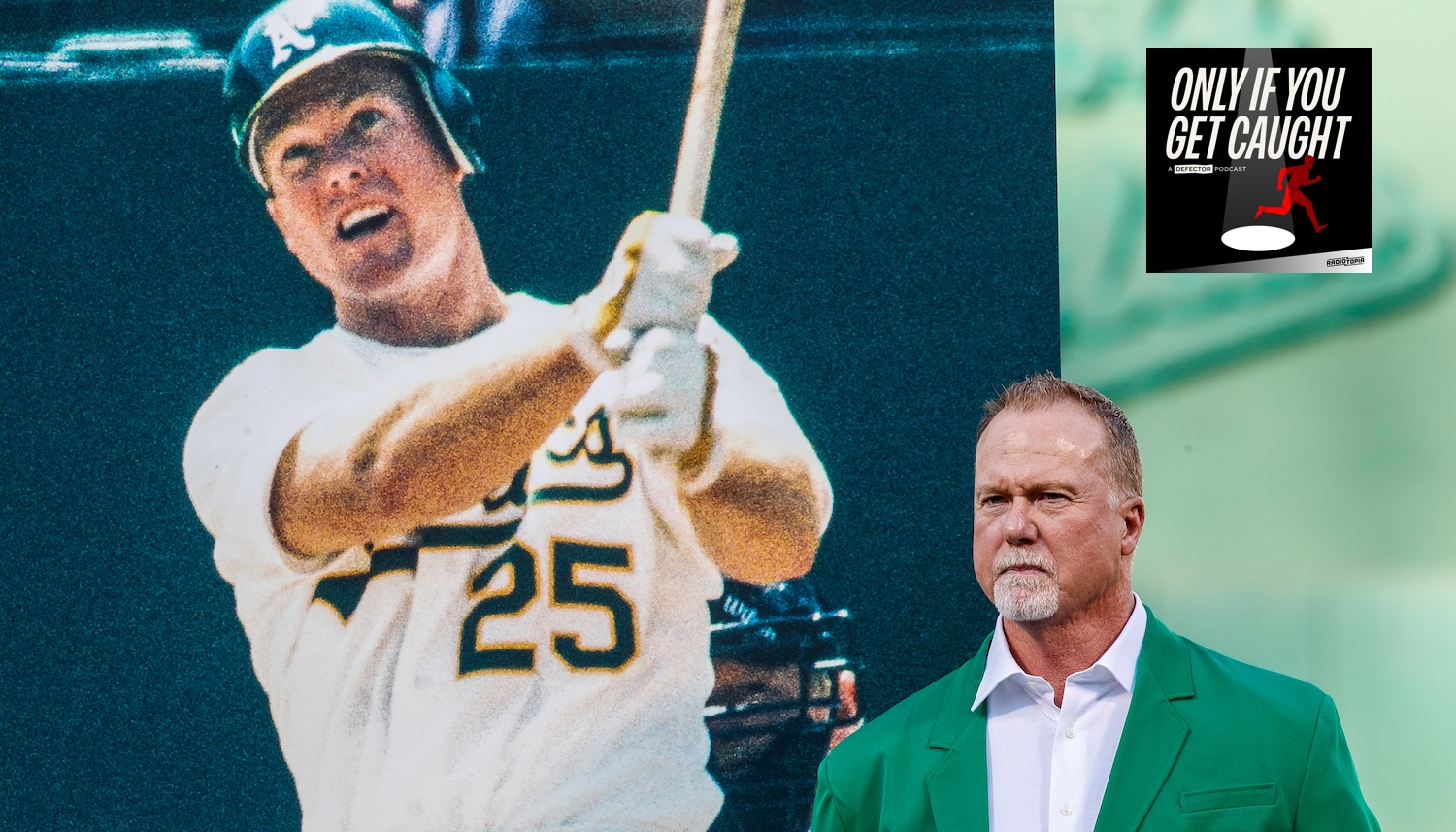
The Complex Story of Major League Baseball’s Steroid Era
The narrative of Major League Baseball’s steroid era is often oversimplified, with the story being told as a cautionary tale of players like Jose Canseco and other sluggers of the 1990s who cheated by using performance-enhancing drugs. However, this simplistic view ignores the critical labor context that set the stage for the steroid era. To truly understand this period in baseball history, it’s essential to examine the labor history of the sport, particularly the events leading up to and following the 1994-1995 strike.
The 1994-1995 strike was a pivotal moment in baseball’s labor history, with the players’ union and team owners engaging in a bitter dispute over issues like revenue sharing and salary caps. This conflict was not an isolated incident, but rather the culmination of decades of antagonism between baseball’s labor and management classes. The strike had a profound impact on the sport, leading to the cancellation of the World Series for the first time in 90 years and causing a rift between players and owners that would take years to heal.
Labor Context and the Steroid Era
The steroid era, which began in the late 1990s and continued into the early 2000s, was in part a response to the economic pressures and competitive demands of the sport. As players sought to gain a competitive edge and increase their earning potential, some turned to performance-enhancing drugs. However, this was not simply a matter of individual players making poor choices; rather, it was a symptom of a broader systemic problem. The lack of effective testing and enforcement mechanisms, combined with the intense pressure to perform, created an environment in which steroid use could thrive.
According to Tim Marchman, formerly the boss at Deadspin and currently Wired’s director of politics, science, and security, the steroid era was a complex phenomenon that cannot be understood in isolation from the labor history of baseball. Marchman, a renowned baseball expert, argues that the steroid era was the result of a “continual warfare” between baseball’s labor and management classes over the preceding decades. This ongoing conflict created an environment in which players felt compelled to take risks to compete, and in which owners were willing to turn a blind eye to steroid use in order to maintain a competitive edge.
Understanding the Steroid Era Through Labor History
To fully comprehend the steroid era, it’s essential to examine the labor history of baseball, including the events leading up to and following the 1994-1995 strike. This includes understanding the economic and competitive pressures that drove players to use performance-enhancing drugs, as well as the role of owners and management in perpetuating a culture of steroid use. By exploring this complex and nuanced history, we can gain a deeper understanding of the factors that contributed to the steroid era and how they continue to shape the sport today.
For more information on the steroid era and the labor history of baseball, listeners can tune in to the podcast “Only If You Get Caught,” which explores the intersection of sports and labor history. The show is produced by Alex Sujong Laughlin and hosted by the author, and features expert guests like Tim Marchman. By examining the steroid era through the lens of labor history, we can gain a more nuanced understanding of this complex and fascinating period in baseball history.