

Assessing the Excitement Around Japanese Free Agents in MLB
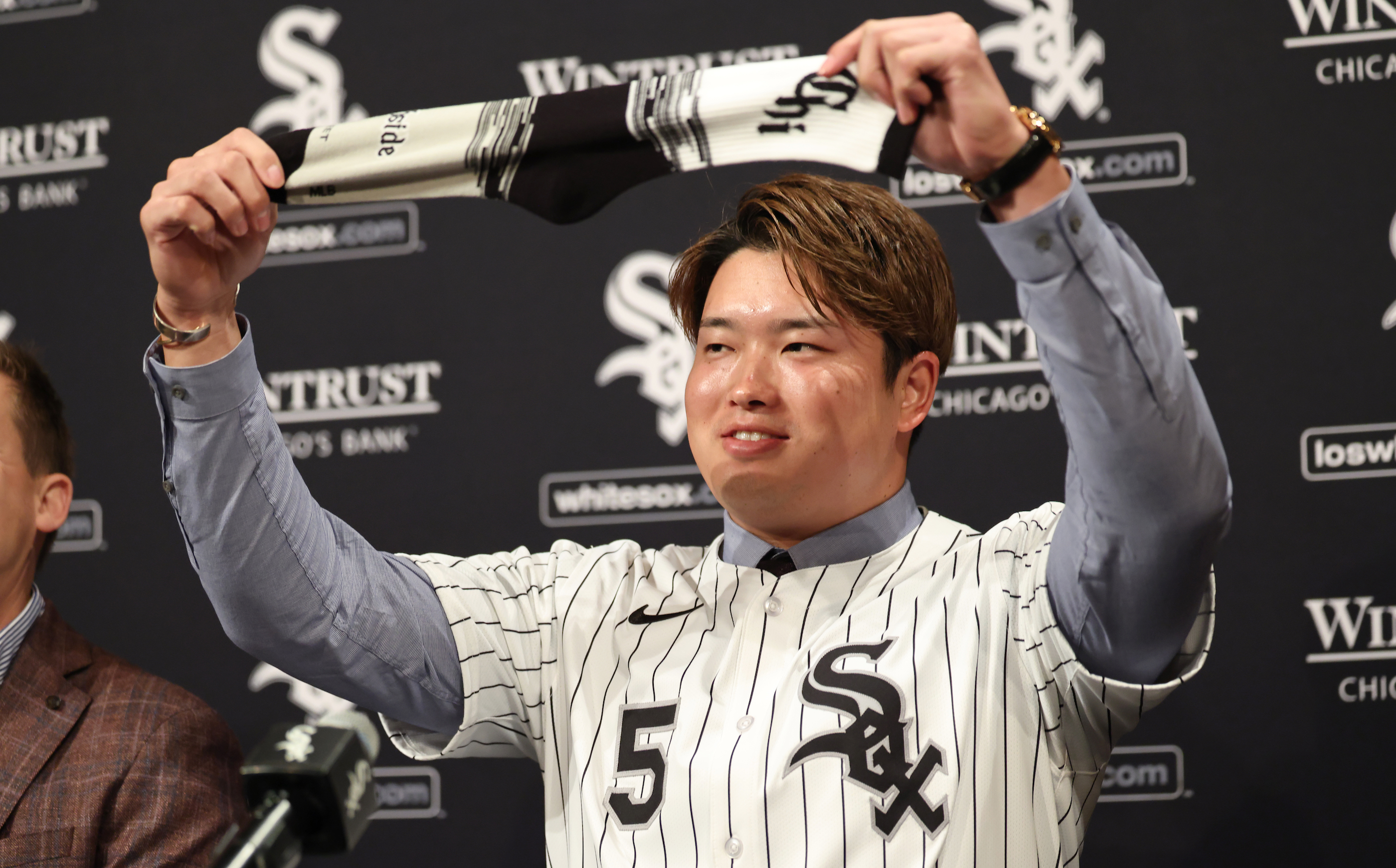
The MLB offseason has once again brought a wave of excitement with the arrival of Japanese free agents. To determine whether you should be thrilled about these newcomers, let’s break down the key factors. If your team has signed one of them, it’s natural to be enthusiastic and root for your squad. The Chicago White Sox’s decision to sign Munetaka Murakami, for instance, has sparked interest among fans, including the author, who had been disillusioned with the team.
On the other hand, if a rival team has signed one of these players, you can look forward to either gloating over their potential struggles or developing a new rivalry. However, if a team you’re indifferent about has made a signing, the situation becomes more nuanced. In recent years, MLB has been treated to an influx of talented players from Japan, including Yoshinobu Yamamoto and Shota Imanaga, who have made significant contributions to their respective teams.
Evaluating the Current Crop of Japanese Free Agents
This year’s cohort, comprising Munetaka Murakami, Tatsuya Imai, and Kazuma Okamoto, may not generate the same level of excitement as their predecessors, at least initially. Two of the three players are batters, and while they have impressive statistics, their performance in the MLB remains to be seen. Murakami, in particular, has raised some concerns due to his strikeout rates and contact metrics, which may not translate well to the MLB’s higher pitch velocities.
According to Eno Sarris of The Athletic, Murakami’s max exit velocity and contact rate are comparable to those of Joey Gallo and Bobby Dalbec, which may indicate a higher risk of striking out in the MLB. However, it’s worth noting that Shohei Ohtani, who also had similar contact metrics, has adapted successfully to the MLB. The Chicago White Sox’s player development team will be working with Murakami to help him adjust to the MLB’s faster pitch speeds.
In contrast, Kazuma Okamoto, who signed with the Toronto Blue Jays, has a higher floor due to his consistent performance and lower strikeout rates. As Eric Longenhagen of FanGraphs points out, Okamoto’s ability to make contact and his relatively low strikeout rates make him a good fit for the Blue Jays’ contact-happy batting profile. Okamoto’s signing is a modest investment for the Blue Jays, who are looking to bolster their lineup depth.
Tatsuya Imai, the sole pitcher among this year’s Japanese free agents, has signed with the Houston Astros. Imai’s pitching profile is reminiscent of Luis M. Castillo, and his statement about wanting to take down the Dodgers and become a world champion has generated interest among fans. While some may be skeptical about the potential of these players, it’s essential to remember that adapting to the MLB is a challenging process, and time will tell how they perform.
A Balanced Perspective
In conclusion, while the current crop of Japanese free agents may not have generated the same level of excitement as their predecessors, they still have the potential to make a significant impact in the MLB. It’s crucial to approach their performance with a balanced perspective, taking into account both their strengths and weaknesses. As the season progresses, we’ll have a better understanding of how these players adapt to the MLB and whether they can live up to the hype surrounding their signings.
Ultimately, the success of these players will depend on various factors, including their ability to adjust to the MLB’s faster pitch speeds, the quality of their teams’ player development, and their individual work ethic. While some fans may be skeptical, others are eager to see how these players perform and contribute to their respective teams. As the MLB season gets underway, one thing is certain – the arrival of these Japanese free agents has added a new layer of excitement and intrigue to the league.