
Formula 1 Drivers Demand a Seat at the Table in Future Decision-Making
MIAMI — Lewis Hamilton, the seven-time Formula 1 world champion, has emphasized the need for drivers to have a more significant say in the decision-making process regarding rule changes in the sport. This comes as the 2026 season has started amidst controversy surrounding the new regulations, which have been widely criticized by existing drivers.
The introduction of new V6 hybrid turbo engines has placed a strong focus on electrification, making the generation and utilization of battery power more crucial than ever. However, this shift has not been well-received by all, with four-time world champion Max Verstappen describing the new formula as “anti-racing” and likening the new cars to those in the popular video game Mario Kart. Verstappen has even suggested that his dissatisfaction with the new cars might be enough to make him consider quitting the sport. Two-time world champion Fernando Alonso has also expressed his discontent, referring to the new era as “the battery world championship.”
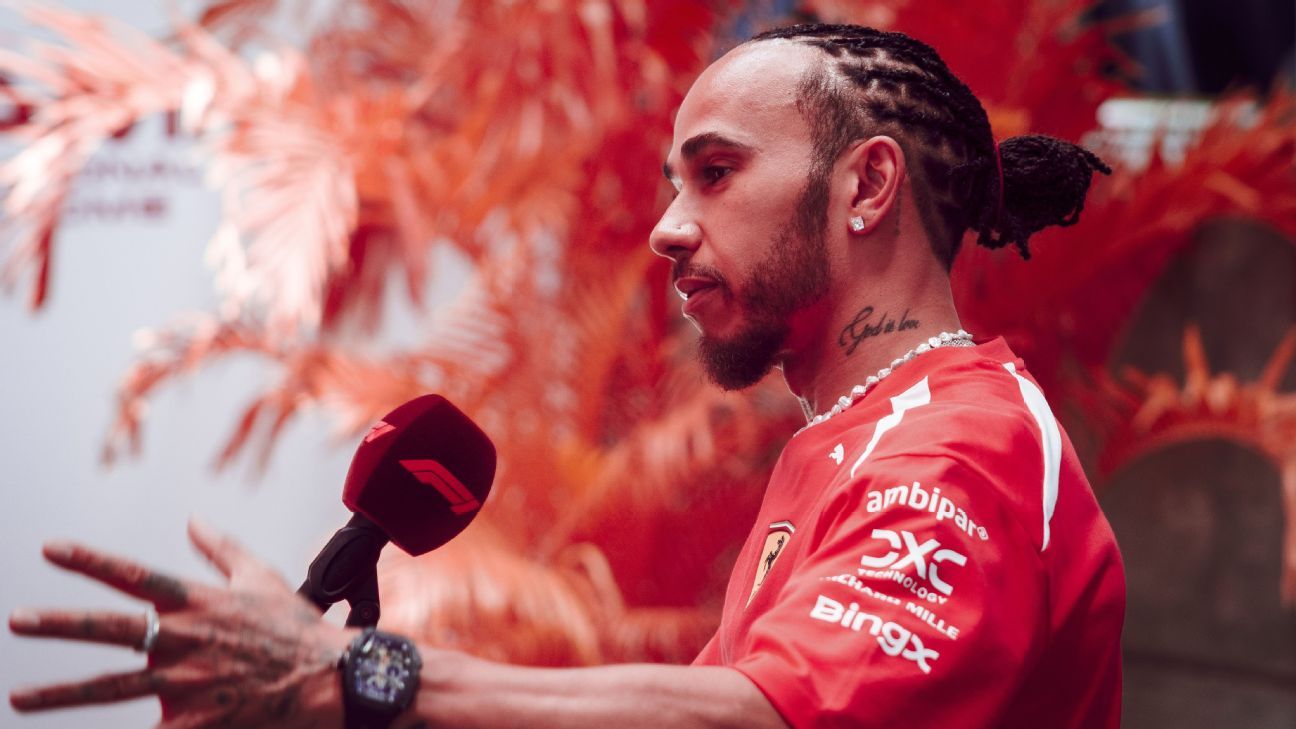
Hamilton, speaking ahead of the Miami Grand Prix, emphasized the need for drivers to be more involved in the decision-making process. “All the drivers, we do work together, we all meet — but the fact is we don’t have a seat at the table,” Hamilton stated. He suggested that the drivers’ collective voice, the Grand Prix Drivers’ Association (GPDA), should have more influence on the sport’s future directions.
A Unified Voice for Change
Verstappen echoed Hamilton’s sentiments, expressing his hope that drivers would be listened to more often in the future. He believes that if drivers had been more involved in the decision-making process earlier on, the sport might not be facing the current challenges. The GPDA, which has traditionally acted as a union advocating for driver matters such as safety and clarity over racing rules, is now seeking a more significant role in shaping the sport’s future.
Lando Norris, the reigning world champion, also weighed in on the issue, stating that all drivers, regardless of their position in the championship, share a common goal: to race closely and provide an exciting show for the fans. Norris acknowledged that while drivers may not always have the complete picture due to their limited perspective, their input is invaluable and should be considered in decision-making processes.
The current grid of drivers has become increasingly unified in their views on the direction of the sport. This unity is reflected in their collective desire for a more significant say in the decision-making process. As the sport continues to evolve, it remains to be seen how the voices of the drivers will be integrated into the process and what impact this will have on the future of Formula 1.
Looking Ahead
While minor tweaks have been made to the rules for the Miami Grand Prix, it is unclear whether these changes will address the underlying concerns of the drivers. As the season progresses, the debate over the role of drivers in decision-making is likely to continue. One thing is certain, however: the future of Formula 1 will be shaped by the collective efforts of its stakeholders, including the drivers, teams, and governing bodies. By working together and considering the perspectives of all parties involved, the sport can continue to thrive and provide an exciting experience for fans around the world.