
NBA Fines Cleveland Cavaliers $250,000 for Violating Player Participation Policy
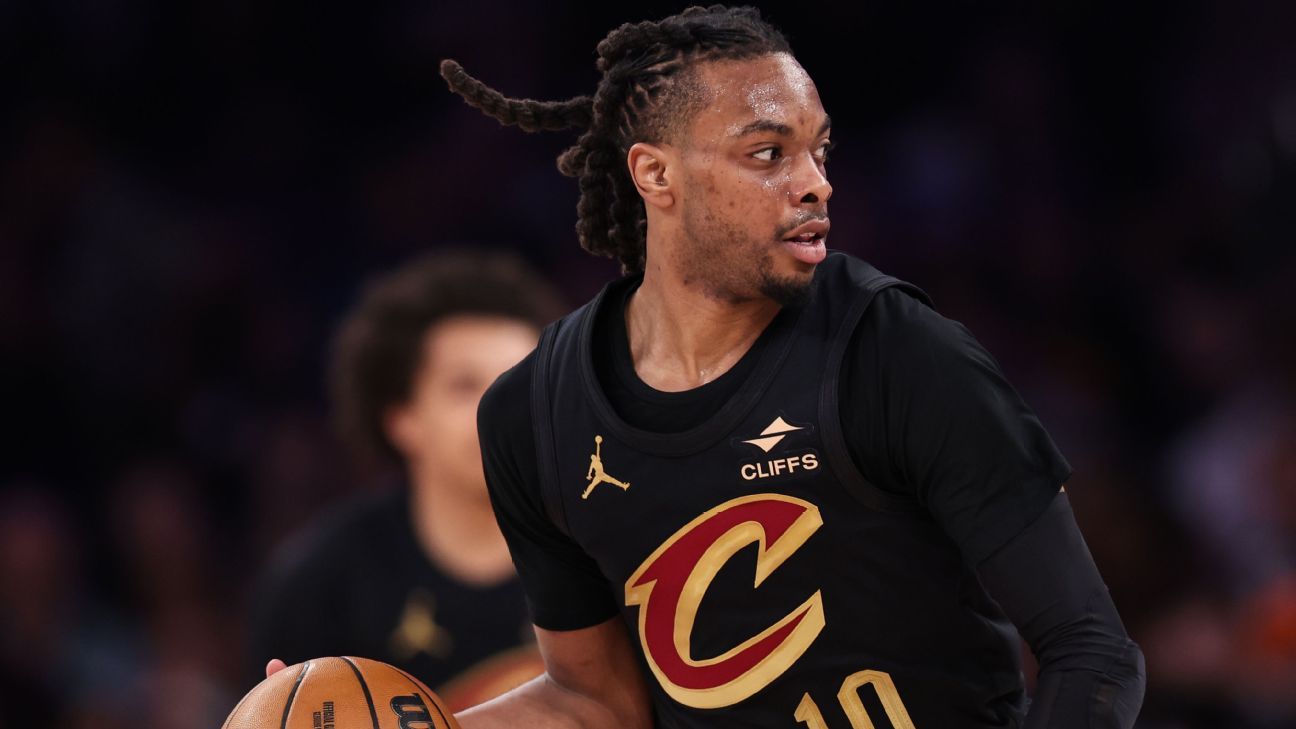
The Cleveland Cavaliers have been fined $250,000 by the NBA for violating the league’s player participation policy, specifically for resting All-Star guard Darius Garland during a nationally televised game against the Toronto Raptors on November 24. This marks the second time this season the team has been fined for such a violation, with a previous $100,000 fine imposed on November 18 for resting Donovan Mitchell and Evan Mobley against the Miami Heat on November 12.
The NBA’s investigation confirmed that Garland was capable of playing in one of the team’s games during a back-to-back set, having participated in a game against the LA Clippers on November 23 but not the following night in Toronto. The game in Toronto was broadcast on Peacock in the United States and Sportsnet in Canada, making Garland’s absence notable under the policy, which considers him a star player. The Cavaliers were also without De’Andre Hunter, who was resting, and Jarrett Allen, who was out with a sprained finger, during the Raptors’ 110-99 victory that extended their winning streak to eight games.
Context and Implications
The NBA’s player participation policy is designed to ensure that teams are fielding their best possible lineups for nationally televised games, providing fans with the most competitive and engaging matchups. By resting key players like Garland, teams can potentially impact the outcome of games and the overall viewer experience. The fines imposed on the Cavaliers reflect the league’s commitment to enforcing this policy and maintaining the integrity of its games.
According to the NBA, the policy is in place to “ensure that teams are making their best efforts to feature their top players in nationally televised games.” The league’s rules state that teams must provide “reasonable notice” if a player is to be rested for a game, and that the decision to rest a player must be made in “good faith” and not solely for the purpose of gaining a competitive advantage. The Cavaliers’ actions, as determined by the league’s investigation, did not meet these criteria, resulting in the fine.
Expert Analysis and Reaction
Experts and analysts have weighed in on the issue, with some arguing that the policy is necessary to protect the integrity of the game, while others see it as an overreach by the league. “The NBA has a responsibility to its fans and its broadcast partners to ensure that teams are putting their best product on the court,” said one sports analyst. “However, teams also need to be able to manage their players’ workloads and prioritize their health and safety.” The debate highlights the complexities of balancing competitive balance with player well-being in the NBA.
As the season progresses, it will be interesting to see how teams navigate the player participation policy and how the league continues to enforce it. With the Cavaliers having been fined twice already, it is clear that the NBA is serious about upholding its rules and ensuring that fans are treated to the best possible matchups. For more information on the NBA’s player participation policy and its implications, fans can visit the official NBA website.