

NBA’s European Expansion Plans Met with Skepticism by EuroLeague
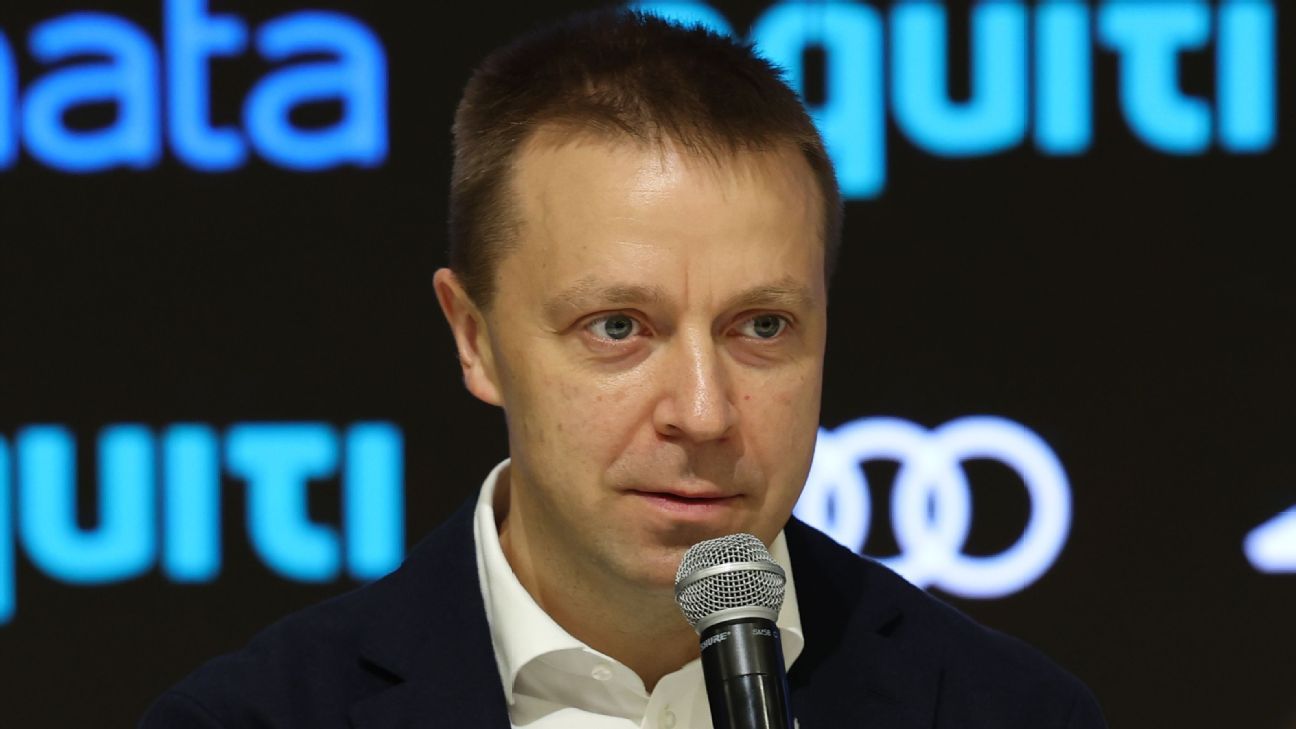
The EuroLeague, the premier men’s professional basketball competition outside of the NBA, is not concerned about the NBA’s plans to create a new league in Europe, according to EuroLeague CEO Paulius Motiejunas. In an interview with The Associated Press, Motiejunas stated that the EuroLeague has been in operation for 26 years and has a deep understanding of the European market.
Motiejunas expressed skepticism about the NBA’s ability to successfully launch a new league, saying “having a theory is one — and making it work is two.” He also pointed out that the EuroLeague has a strong foundation, with 13 “shareholder” clubs that are immune from relegation, and a proven track record of success.
NBA’s Plans and Potential Impact
The NBA, in partnership with FIBA, is planning a 16-team league with 12 permanent members, with a target start date of October 2027. The league has identified several potential host cities, including Athens, Istanbul, Paris, and London. However, the EuroLeague is not convinced that the NBA’s plans will come to fruition, with Motiejunas stating that “the NBA has been announcing and announcing things for a year, but still, it’s nothing that you can grasp on.”
The NBA’s plans have also been met with skepticism by some of the EuroLeague’s shareholder clubs, with Real Madrid, Fenerbahce, and ASVEL (owned by Tony Parker) yet to renew their 10-year licenses. However, Barcelona has recently indicated that it will extend its license for another 10 years, which Motiejunas sees as a significant boost for the EuroLeague.
Financial and Competitive Implications
The EuroLeague has a strong financial foundation, with a reported 10 million euro ($11.6 million) exit clause for clubs that wish to leave the league. The league has also implemented spending restrictions to promote financial sustainability among its member clubs. In contrast, the NBA is reportedly seeking a $500 million franchise fee for its new league, which could be a significant barrier to entry for potential investors.
The competitive implications of the NBA’s plans are also unclear, with Motiejunas stating that the EuroLeague is open to some type of relationship with the NBA, but will not compromise on its core values and principles. The NBA’s commissioner, Adam Silver, has shrugged off the EuroLeague’s concerns, stating that the NBA is committed to creating a new league that will be a viable commercial enterprise, even if it takes several decades to achieve.
European Basketball Landscape
The European basketball landscape is complex, with several international leagues and competitions vying for attention and revenue. The EuroLeague is widely regarded as the premier competition, with a strong following and a proven track record of success. The NBA’s plans have the potential to disrupt this landscape, but it remains to be seen whether the league will be able to successfully navigate the complexities of the European market.
According to Silver, basketball is the second most popular sport in Europe, after soccer, and the NBA sees significant potential for growth and revenue in the region. However, the EuroLeague is confident in its ability to adapt and compete, with Motiejunas stating that “we focus on ourselves, we will be able to adapt, there’s no question about it, and we will continue to fight.”
The Associated Press contributed to this report.