

Revolutionizing the Language of Racing: Formula 1’s Technical Overhaul
As the world of Formula 1 (F1) prepares for the 2026 season, the sport is not only undergoing a significant technical transformation but also redefining the way we talk about racing. In a bid to simplify the language and focus on the driver’s skills, F1 has introduced a new set of terms to describe the key on-track features of the new regulations. This change aims to strip away jargon, avoid gimmicks, and use language that accurately reflects the actions of the drivers.
According to F1, the new terminology is the result of consultations with the FIA, teams, fans, and engineers. The goal is to put the driver at the center stage, giving them greater responsibility and control over the car’s performance. This shift in focus is expected to make the sport more exciting and easier to follow for fans. As F1 itself notes, the new regulations are designed to make the cars more responsive and harder to drive, emphasizing driver skill over technology.
Introducing the New Terminology
The new terms include “Overtake Mode,” which replaces the Drag Reduction System (DRS) as the primary passing aid. Overtake Mode allows drivers to deploy extra power to initiate an overtake when they are within one second of the car ahead. Unlike DRS, which was limited to specific zones, Overtake Mode can be used strategically throughout the lap. This change is expected to make passing more tactical and less automatic, requiring drivers to think critically about when to attack.
Another key term is “Boost Mode,” a driver-operated energy deployment tool drawn from the Energy Recovery System (ERS). By pressing a button, drivers can access maximum combined power from the engine and battery, which can be used offensively to attack or defensively to protect position. This feature puts control firmly in the driver’s hands, adding a new layer of strategy to the sport.
Active Aero and Recharge
“Active Aero” refers to the dynamic adjustment of front and rear wing elements, allowing drivers to switch between Corner Mode and Straight Mode in designated high-speed sections. This adaptability enables drivers to maximize grip through corners and efficiency on straights. “Recharge,” on the other hand, is the process of replenishing the battery during a lap, which can be done through braking, throttle lift, or partial power application in corners.


What’s Changing in 2026?
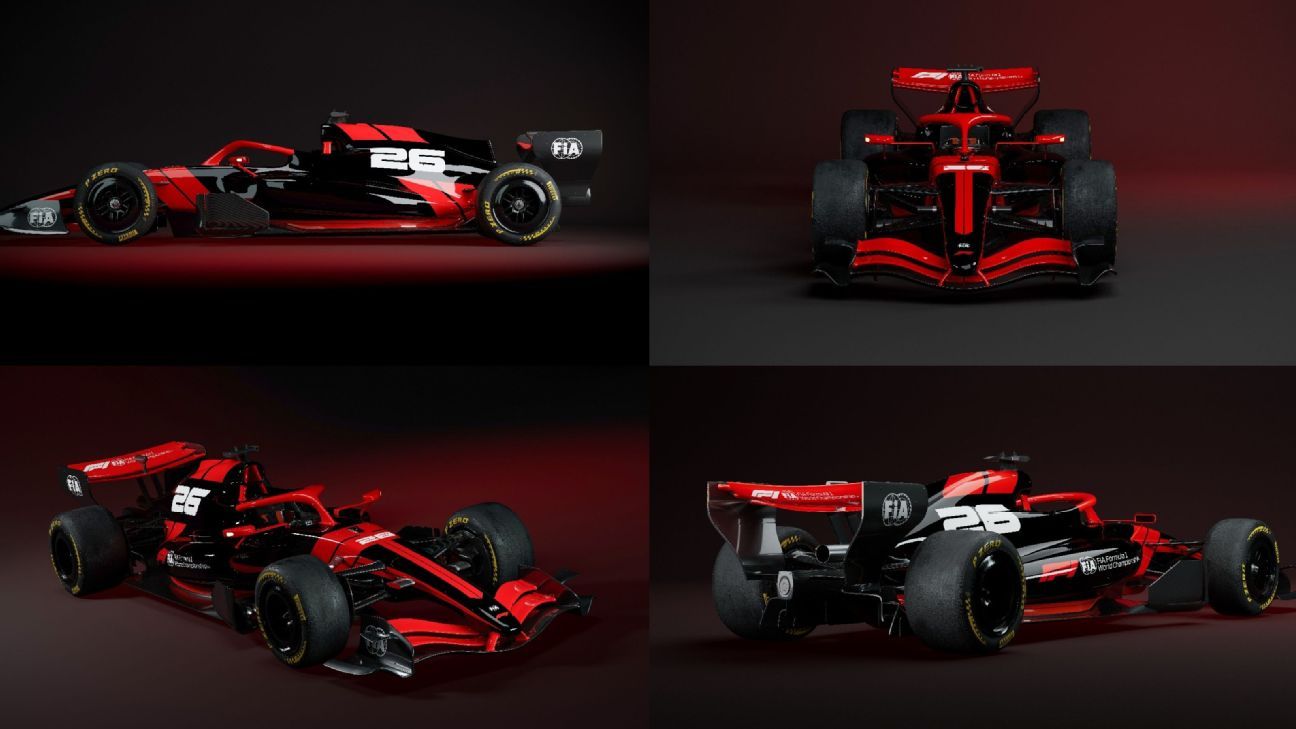
The 2026 season will see significant changes in car design and performance. The cars will be smaller, lighter, and more agile, with reduced wheelbases, widths, and weights. The minimum weight will drop to 770kg, making the cars more responsive and harder to drive. Ground-effect tunnels, which previously provided downforce, will be removed, reducing overall downforce by 15-30%. Drag will also be reduced by 40%, allowing cars to follow more closely and maintain high straight-line speeds.
Narrower Tyres and Active Aerodynamics
The 18-inch wheels will remain, but the tyres will be narrower, reducing drag and unsprung weight. Active aerodynamics will replace DRS, allowing drivers to switch between high- and low-downforce configurations. This change will enable drivers to adapt to different track conditions and driving styles, making the sport more dynamic and unpredictable.
Getting Ready for the New Season
The first race of the 2026 season is scheduled for March 6, but the campaign will officially kick off with the Red Bull, Racing Bulls unveiling on January 15. The first preseason test will take place on January 26-30 in Barcelona, followed by televised tests in Bahrain on February 11-13 and February 18-20. As the teams and drivers prepare for the new season, fans can expect a more exciting and unpredictable sport, with a greater emphasis on driver skill and strategy.
For more information on the 2026 F1 season, including the full race and preseason calendar, visit the official F1 website. With the new regulations and terminology in place, the 2026 season is shaping up to be one of the most thrilling and dynamic in F1 history.