
NASCAR’s New Era: A Shift Towards Franchising
On December 11, 2025, a significant development occurred in the world of NASCAR, as a settlement was reached in the antitrust lawsuit filed by 23XI Racing, co-owned by Michael Jordan and Denny Hamlin, and Front Row Motorsports (FRM) against the sanctioning body. This outcome marks a major victory for the teams, as they had been pushing for NASCAR to make team charters permanent, or “evergreen,” rather than contract-to-contract models renewed in conjunction with NASCAR’s massive media rights deals.
The settlement is a significant step forward for the sport, as it brings NASCAR more in line with the business models of other major professional sports leagues, such as the NBA, where Jordan has had a long and successful career. The franchising model, while not explicitly referred to as such, is essentially what NASCAR has now adopted. This move is widely seen as a positive development, with many in the Cup Series paddock believing it to be the right decision for the sport’s future.
The Role of Jim France in NASCAR’s Transition
Jim France, NASCAR’s CEO and chairman, played a crucial role in the settlement, as he ultimately decided to relinquish some of the control that the France family has traditionally held over the sport. France, who never wanted the job but took it on after his nephew Brian’s tenure ended, has been instrumental in shaping NASCAR’s direction. However, his reluctance to adapt to changing times and his authoritarian management style, as revealed in court testimony, had become a significant obstacle to progress.
As the trial progressed, it became clear that France’s leadership style was no longer tenable, and that a change was necessary for the sport to move forward. The settlement marks a significant shift in the balance of power between the France family and the team owners, with the latter gaining more control over their franchises. This development is expected to have far-reaching consequences for the sport, as it will likely lead to increased stability and investment in the teams.
Implications of the Settlement
The settlement has significant implications for the sport, as it will likely lead to increased investment and stability in the teams. With permanent charters, teams will have more control over their franchises and will be able to plan for the long term, rather than facing uncertainty every few years. This, in turn, is expected to attract more investors and sponsors to the sport, which will help to drive growth and development.
Furthermore, the settlement marks a significant shift in the way that NASCAR operates, as it moves away from the traditional contract-to-contract model and towards a more modern, franchising-based approach. This change is expected to bring NASCAR more in line with other major professional sports leagues, and will likely help to increase the sport’s popularity and appeal to a wider audience.
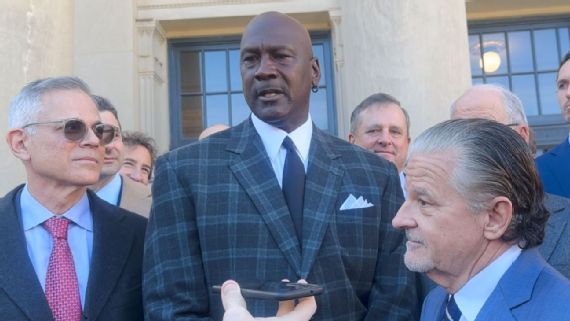
Michael Jordan’s 23XI Racing was one of two teams that filed an antitrust suit against NASCAR, which was settled on Thursday. AP Photo/Jenna Fryer
Conclusion
In conclusion, the settlement reached in the antitrust lawsuit between 23XI Racing, FRM, and NASCAR marks a significant development in the sport, as it brings NASCAR more in line with the business models of other major professional sports leagues. The franchising model, while not explicitly referred to as such, is essentially what NASCAR has now adopted. This move is widely seen as a positive development, with many in the Cup Series paddock believing it to be the right decision for the sport’s future.
As the sport moves forward, it will be important to monitor the implications of the settlement and how it affects the teams, the France family, and the sport as a whole. With increased stability and investment in the teams, NASCAR is likely to experience growth and development, which will help to increase its popularity and appeal to a wider audience.