
Free Agent Forecast: Top Values and Risks in the 2025-26 MLB Offseason
As the 2025-26 MLB offseason approaches, teams are preparing to make crucial decisions on which free agents to invest in and which to avoid. With projected contracts for the top 50 free agents now available, it’s time to analyze which players could provide the most bang for their expected buck and which may not be worth the investment. In this article, we’ll examine three free agents to invest in and three to avoid, based on their projected contracts and expected performance.
Over the past two years, I’ve had success in identifying undervalued free agents, including Sonny Gray, Shane Bieber, and Shota Imanaga, while avoiding overpriced deals for players like Justin Turner, Blake Snell, Pete Alonso, and Cody Bellinger. This year, I’ll apply the same approach, focusing on return on investment and how players are expected to perform over the length of their deals at their projected prices.
Free Agents to Invest In
Michael King, RHP
Projected Contract: 3 years, $57 million
Michael King is an intriguing option, having experienced a breakout 2024 season with 173.2 innings, a 2.95 ERA, and peripherals that suggest a low-to-mid 3s ERA. Although his 2025 season was marred by injuries, including shoulder and knee issues, his stuff remains impressive, with a 93mph sinker and 83mph sweeper. With some tweaks to his location, King could regain his form and provide significant value for a team willing to take a chance on him.
Ha-Seong Kim, SS
Projected Contract: 1 year, $16 million
Ha-Seong Kim is another player worth considering, having posted a combined 10.5 WAR from 2022 to 2024. Although he suffered a labrum tear in his shoulder in 2024 and missed significant time in 2025, Kim’s track record suggests he can be a solid average player in all aspects. With a projected one-year deal, Kim presents a low-risk, high-reward opportunity for a team looking to bolster their infield.
Brad Keller, RHP
Projected Contract: 2 years, $22 million
Brad Keller is a versatile pitcher who has found success as a starter and reliever. With a velocity jump of 3.5 mph in 2025, Keller’s stuff has become more effective, particularly his lively sinker, slider, sweeper, and changeup. Teams may view him as a potential starter or late-inning reliever, making him an attractive option for a team seeking flexibility in their pitching staff.
Free Agents to Avoid
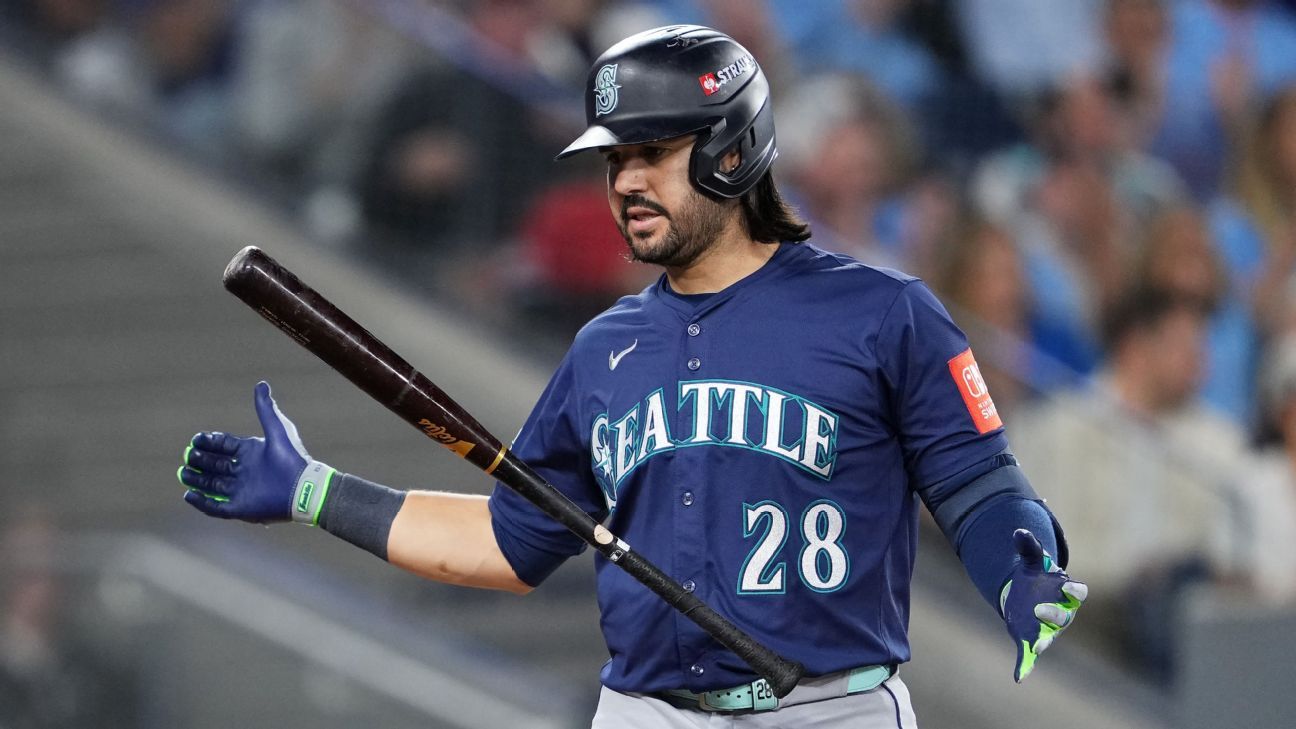
Eugenio Suarez, 3B
Projected Contract: 2 years, $45 million
Eugenio Suarez is a 34-year-old third baseman with declining defensive metrics and a limited ability to play other positions. His pitch selection and exit velocities are only average, making him a risky investment, especially considering his age and the potential for a significant decline in performance.

Zach Eflin, SP
Projected Contract: 1 year, $8.5 million
Zach Eflin is a pitcher with a declining fastball velocity and secondary pitches that are losing effectiveness. His 2025 season was marked by a significant drop in performance, and his data suggests he may be becoming a pitch-to-contact guy, which could lead to an unconditional release before the All-Star break.
J.T. Realmuto, C
Projected Contract: 2 years, $32 million
J.T. Realmuto is a 34-year-old catcher with a declining bat and questionable defensive skills. His expected wOBA has decreased significantly over the past few seasons, and his framing numbers have also dropped. While he may still be a solid starter in 2026, his trends suggest a potential decline in performance, making him a risky investment.
Other players to avoid include Marcell Ozuna, a 35-year-old designated hitter with a declining bat and injury concerns, and Harrison Bader, a 31-year-old outfielder with a potentially inflated value due to his 2025 performance. Both players may not be worth the investment, considering their age, declining skills, and potential for further regression.
Ultimately, the key to success in the free agent market is to identify players who can provide value at their projected prices. By analyzing a player’s expected performance, contract terms, and potential risks, teams can make informed decisions that will help them achieve their goals in the upcoming season.