

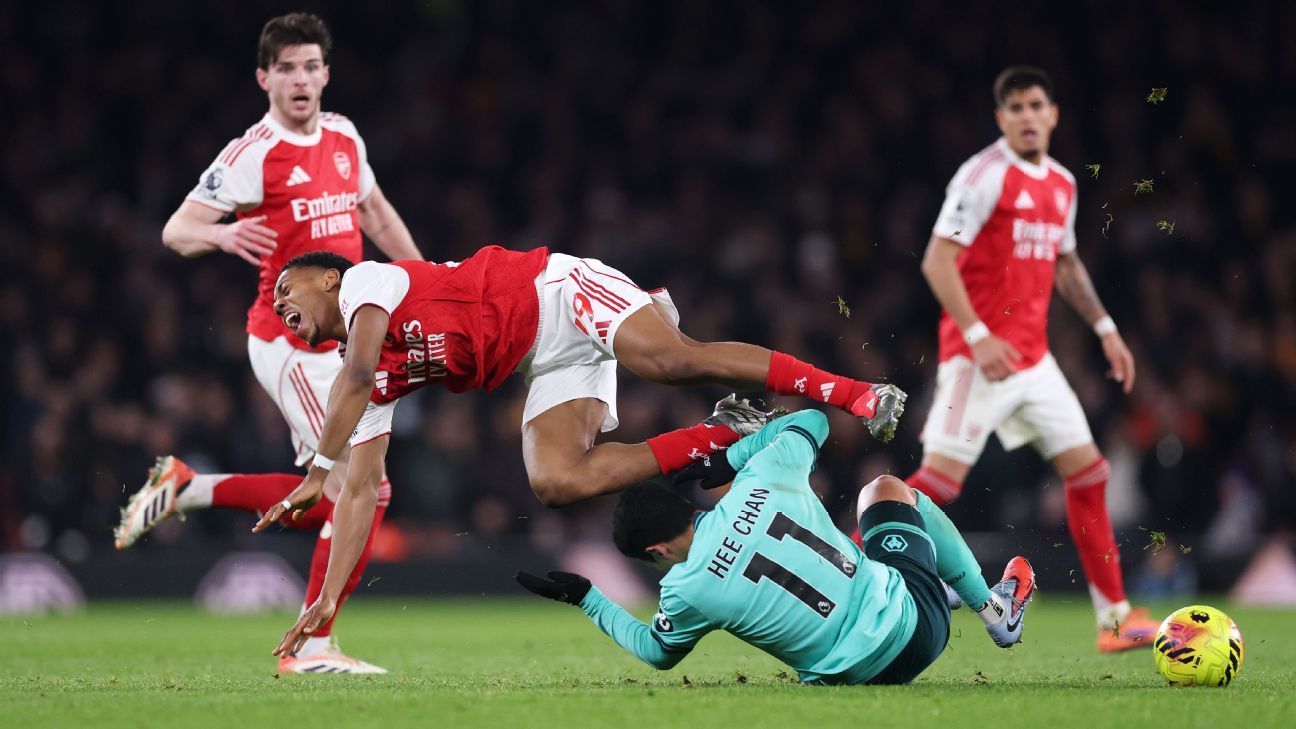
Unpacking the Role of VAR in the Premier League: A Deep Dive into Decision-Making
The introduction of the Video Assistant Referee (VAR) in the Premier League has been a topic of controversy, with many questioning the accuracy and consistency of decisions made. As the 2025 season progresses, it’s essential to examine the process behind VAR decisions and the laws of the game that govern them. In this article, we’ll delve into two significant incidents, exploring the protocol and rationale behind the VAR’s verdicts.
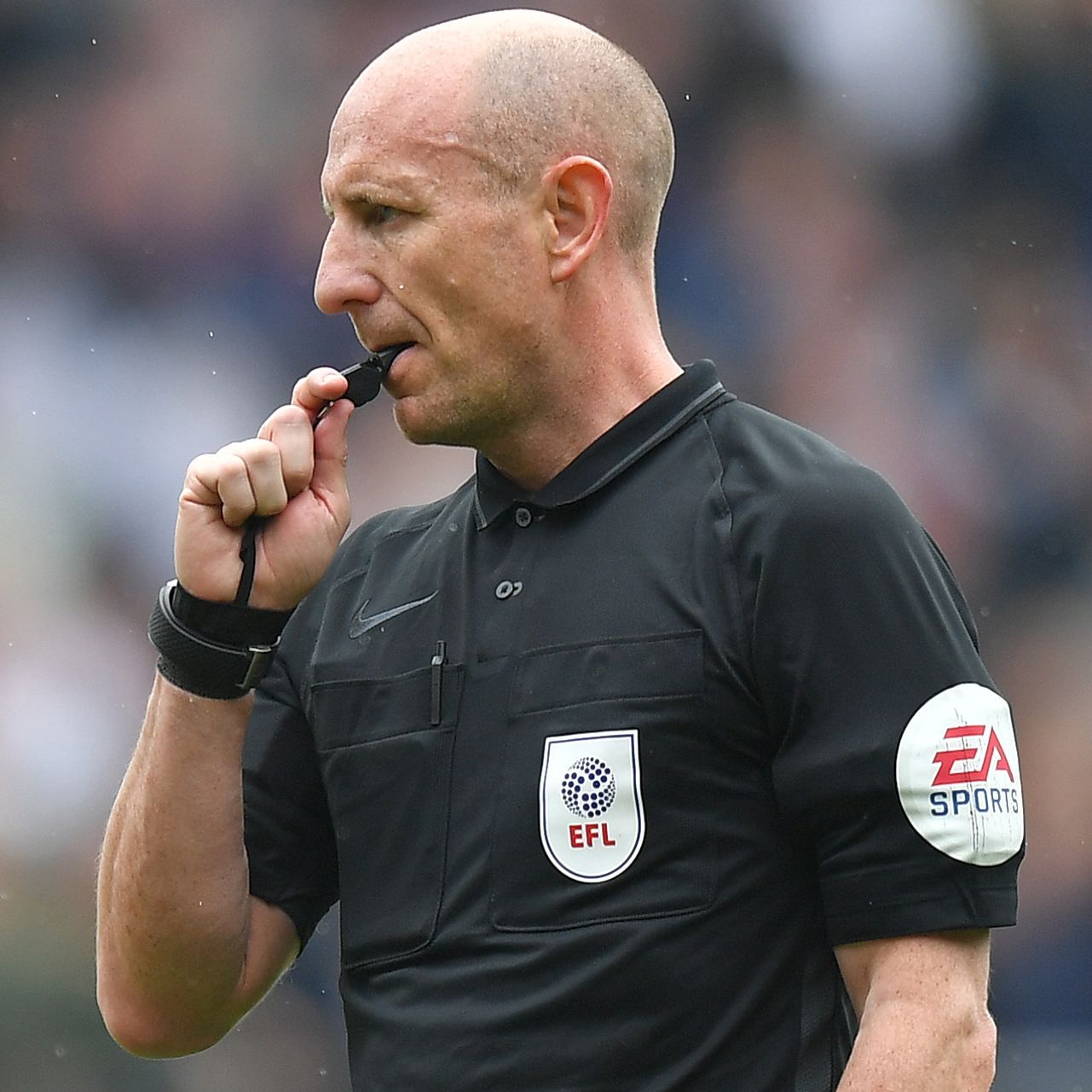 Andy Davies, a former Select Group referee with over 12 seasons of experience in the Premier League and Championship, offers unique insights into the VAR process. With his expertise, we’ll analyze the decisions made in two recent matches, highlighting the complexities of the VAR’s role.
Incident 1: Brighton’s Diego Gómez Challenge on Liverpool’s Florian Wirtz
Referee: Craig Pawson
VAR: Darren England
Incident: Possible red card
Time: 45+2 minutes
During the match between Brighton and Liverpool, Diego Gómez challenged Florian Wirtz, resulting in a yellow card for the Brighton player. The referee deemed the challenge late and high, but not worthy of a red card. The VAR reviewed the incident and confirmed the on-field decision, concluding that the challenge lacked excessive force and did not constitute serious foul play.
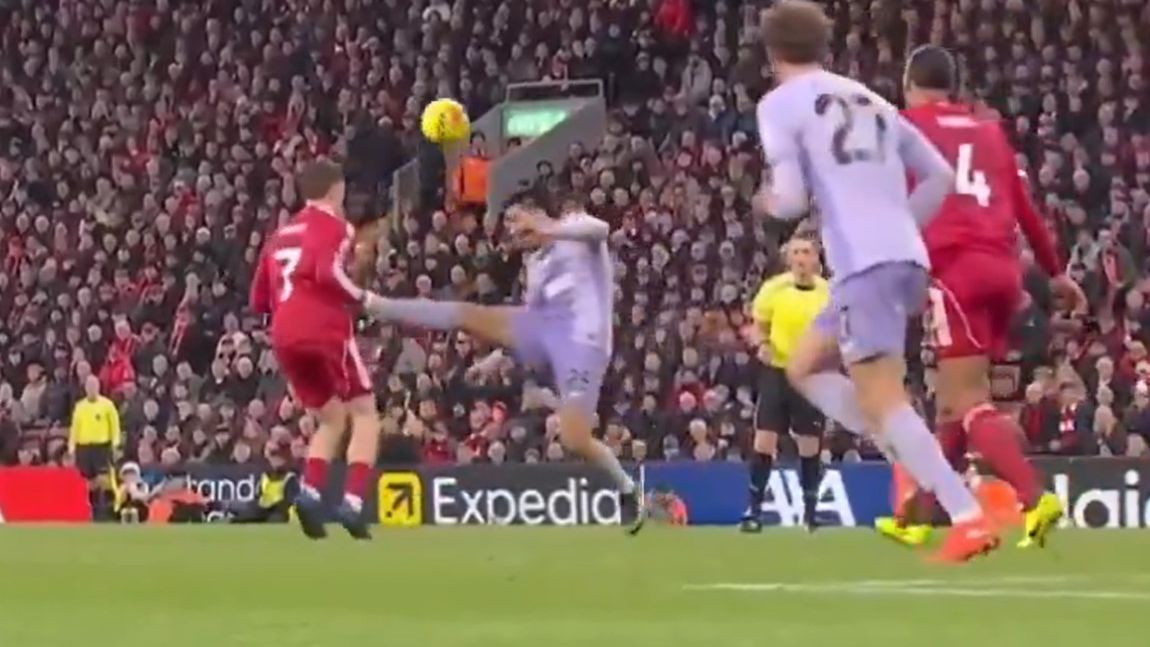
The VAR’s review centered around the referee’s description of the challenge, which was deemed high and reckless but lacking in force. The decision was made based on the laws of the game, which distinguish between a disregard for the safety of an opponent (yellow card) and endangering the safety of an opponent (red card). In this instance, the VAR was comfortable with the referee’s judgment, and the yellow card stood.
Incident 2: Wolves’ Hwang Hee-Chan Challenge on Arsenal’s Myles Lewis-Skelly
Referee: Rob Jones
VAR: John Brooks
Incident: Possible red card
Time: 59 minutes
In the match between Wolves and Arsenal, Hwang Hee-Chan threw himself into a challenge on Myles Lewis-Skelly, resulting in a yellow card for the Wolves player. The referee deemed the challenge reckless but not serious foul play. The VAR reviewed the incident and confirmed the on-field decision, concluding that Hwang had pulled out of the challenge and the contact was not excessive.
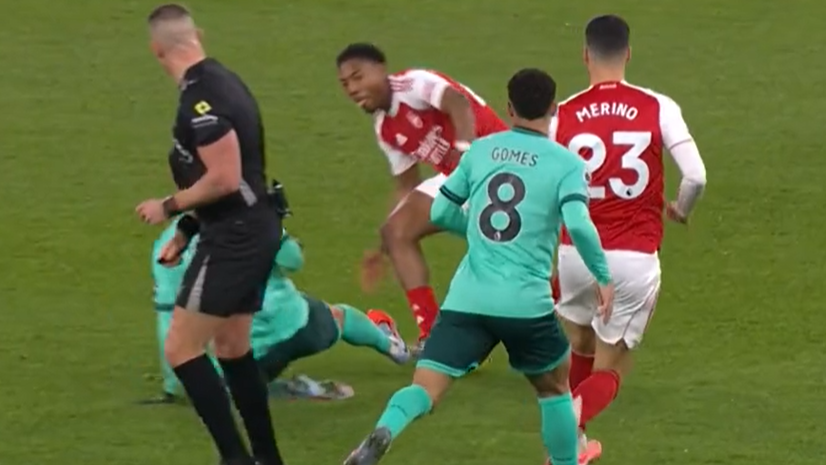
The VAR’s review was thorough, taking into account multiple replays and considering the criteria for a red card offense. Although the challenge appeared borderline, the VAR ultimately agreed with the on-field decision, citing the lack of clear and obvious evidence to warrant an upgrade to a red card.
In both incidents, the VAR’s decisions were made with careful consideration of the laws of the game and the referee’s on-field judgment. While some may argue that the challenges warranted more severe punishment, the VAR’s role is to ensure consistency and accuracy in decision-making. As the Premier League continues to navigate the complexities of VAR, it’s essential to appreciate the nuances of the process and the expertise of those involved.
According to Andy Davies, “The VAR’s role is not to re-referee the game, but to support the on-field officials in making accurate decisions. It’s a fine line between a yellow and red card, and the VAR must consider all the evidence before making a recommendation.” Davies’ expertise highlights the importance of experience and knowledge in the VAR process, ensuring that decisions are made with the utmost care and attention to detail.
As the debate surrounding VAR continues, it’s crucial to recognize the value of the system in promoting fairness and consistency in the Premier League. By examining the decisions made and the protocols in place, we can gain a deeper understanding of the complexities involved and appreciate the expertise of those who make these critical judgments.