
Ferrari’s 2025 Season: A Year of Strategic Sacrifices and Future Promise
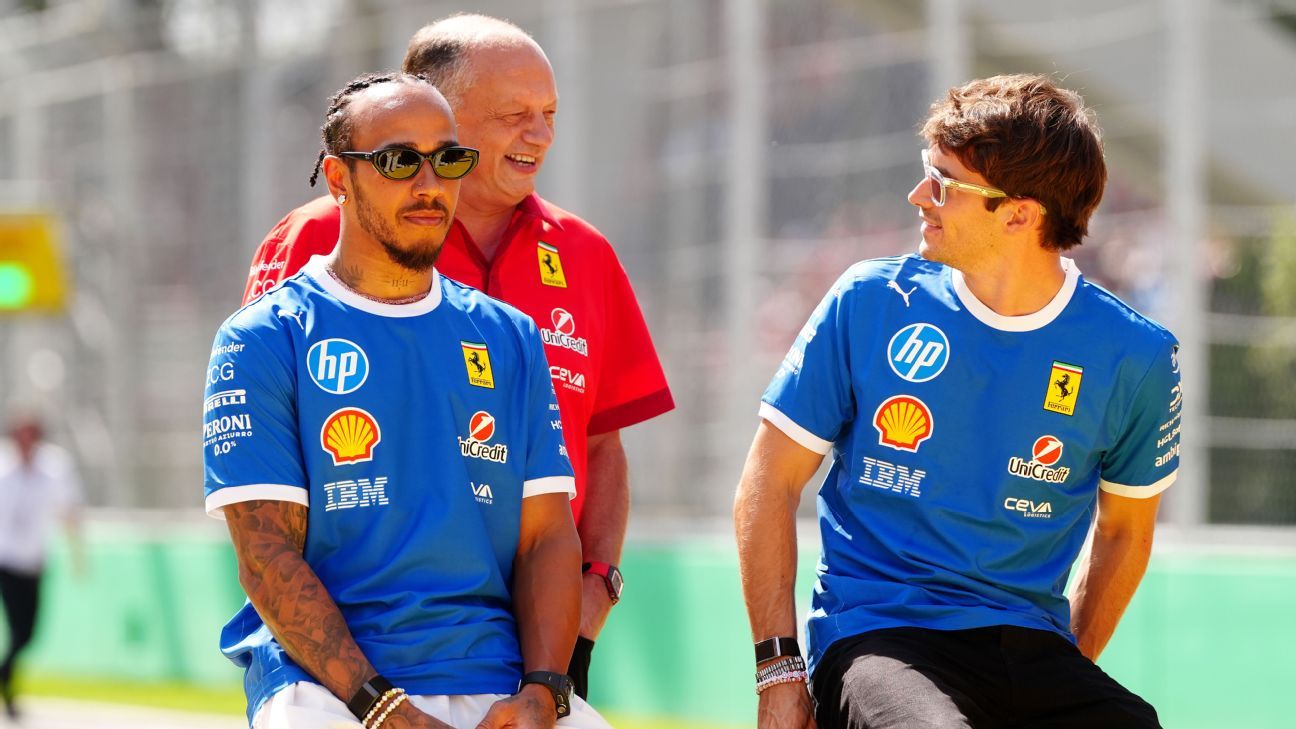
Ferrari team principal Fred Vasseur stands by his decision to switch development focus to 2026 relatively early this year, but acknowledges that he underestimated the negative “psychological” impact the lack of car upgrades in 2025 would have on staff and drivers. This strategic move was made in anticipation of the new regulations set to come into effect in 2026, which promise to shake up the Formula 1 grid.
The 2025 season was indeed a challenging one for Ferrari, with the team starting the year off the pace of eventual champions McLaren. The decision to divert full development focus to 2026 as early as April meant that the team had to compromise on updates for its already underperforming 2025 car. Vasseur admits that this decision, while made with the future in mind, made life tough for the team in the second half of 2025.
Psychological Impact and Developmental Trade-Offs
Vasseur reflected on the decision, stating, “To know if you took the right way or not, it’s another story that nobody knows today. But today we still have a huge rate of development compared to what we were doing with the ’25 car.” He emphasized the difficulty of the call to stop 2025 development after just five or six races, acknowledging that it was a tough one but necessary for the team’s long-term goals.
The Ferrari team principal also touched on the psychological effect of this decision on team members and drivers, including the lack of new developments and the knowledge that they wouldn’t be bringing any significant updates to the car for the remainder of the season. Vasseur confessed to underestimating this aspect, not just for the team but also for himself personally.
Looking Ahead to 2026
A new set of regulations for 2026 promises to bring significant changes to the Formula 1 landscape. Vasseur believes that the first indication of the competitive order will not emerge until the second and third tests in Bahrain. Ferrari intends to push the development of its car as late as possible ahead of its launch event on January 23, aiming to maximize its performance under the new regulations.
Vasseur discussed the approach to developing the 2026 car, mentioning that the team does not feel it is being overly aggressive with its development timeline. Instead, Ferrari plans to finalize its car’s assembly just before the launch, a strategy that Vasseur considers aggressive in terms of timing but necessary for competitiveness. He noted that this approach is likely to be mirrored by other teams, as everyone converges on a similar strategy for the upcoming season.
The 2026 season is anticipated to be highly competitive, with the new regulations expected to shuffle the grid. Ferrari’s strategic sacrifices in 2025 are aimed at positioning the team for success in the future. As the Formula 1 community looks to the new season, Ferrari’s decisions and the reactions of its team principal offer a glimpse into the complex strategic considerations that define the sport.