

Vancouver and Whitecaps Sign MOU for New Stadium and Entertainment District
The city of Vancouver and the Vancouver Whitecaps have taken a significant step towards a new stadium and entertainment district, signing a memorandum of understanding (MOU) that outlines the potential development of a stadium site at Hastings Park. The MOU, which will last until the end of 2026, involves negotiations for a ground lease, including the stadium’s design, financial terms, and community benefits for the proposed development.
The announcement was made by Vancouver mayor Ken Sim at a news conference, where he expressed his optimism about the future of soccer in the city. “We still have a long ways to go, but I’m incredibly optimistic about the future of soccer in our city for the next countless generations,” Sim said. He also emphasized that the city is only committing to negotiations on a lease at this time, and it’s up to the Whitecaps and their partners to come up with a plan and finance it.
Background and Context
The Vancouver Whitecaps have been seeking a new stadium for some time, and the current situation has been deemed “untenable” by MLS commissioner Don Garber. The team’s owners announced in December 2024 that the club was for sale, and there have been concerns that the team might leave Vancouver if a new stadium is not built. The MOU provides hope that the team will remain in Vancouver, and Sim emphasized that there are interested parties who want to buy the Whitecaps and keep them in the city.
The proposed stadium site is located at Hastings Park, which has been the subject of discussions between the city and the Whitecaps. The site includes space recently used for racecourse and casino operations, and the city will retain ownership of the land. The Tsleil-Waututh Nation has also agreed to purchase the casino business currently operating on the site.
Implications and Next Steps
The MOU is a significant step forward, but there is still much work to be done. The stadium is not expected to be built in the next eight months, and Sim estimates that it will take four-plus years to complete. In the meantime, the Whitecaps will need to find a temporary home, and Sim suggested that BC Place could be an option. However, the economics of BC Place are costly, and the team’s lease is set to expire at the end of the month.
The league has taken notice of the situation in Vancouver, and Garber has been critical of the current situation. “We are in the business of delivering for those people that really, really want to have an MLS team that they can love and embrace,” Garber said. “And that’s not just fans. They’ve done that. You need to have cities and provinces do that, and we’re still waiting to see whether they’ll be able to deliver. And if they don’t, we’re going to have to make some tough decisions.”
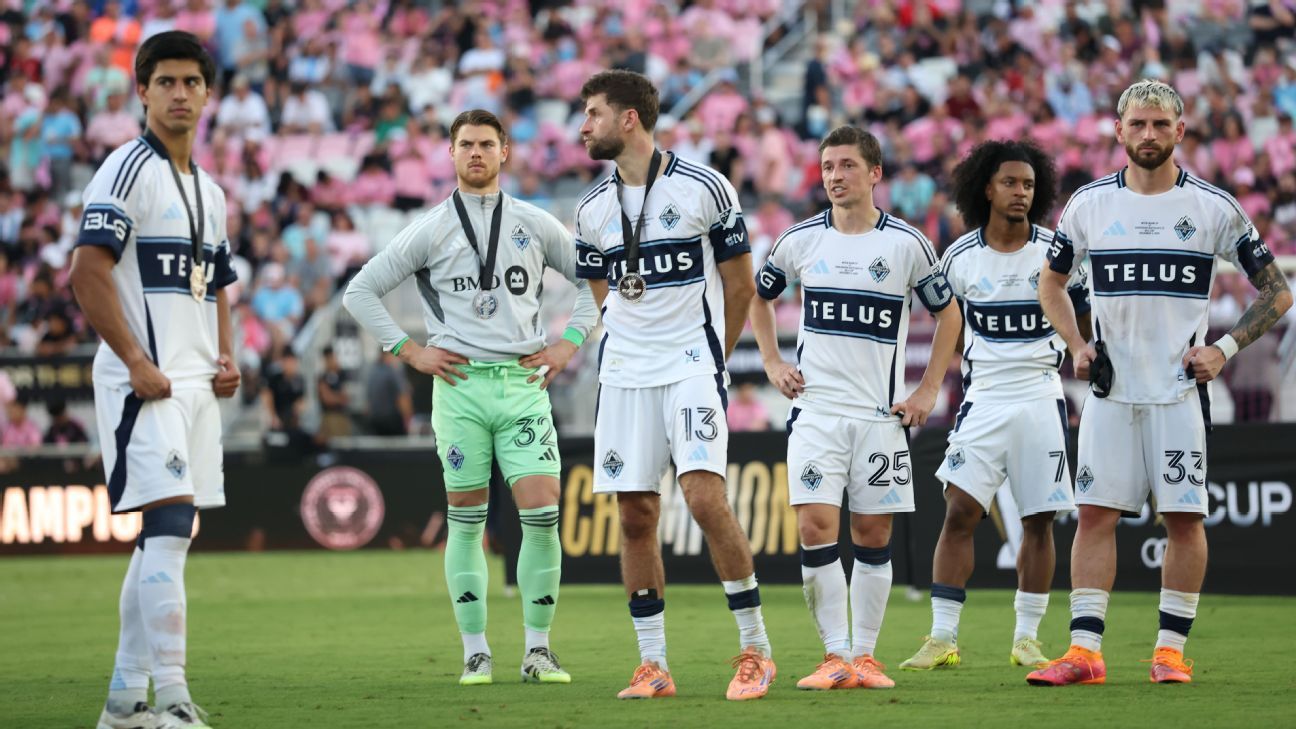
In addition to the stadium development, BC Place will host seven matches at next summer’s World Cup. The Whitecaps have enjoyed a stellar campaign on the field in 2025, reaching the final of the Concacaf Champions League and the MLS Cup final. However, the team’s stadium situation has weighed heavily on the club’s business, and finding a new stadium is crucial to their economic viability.
Conclusion
The signing of the MOU between the city of Vancouver and the Vancouver Whitecaps is a positive step towards a new stadium and entertainment district. While there is still much work to be done, the announcement provides hope that the team will remain in Vancouver. The next steps will be crucial, and the city and the Whitecaps will need to work together to make the project a reality. With the league taking notice of the situation, the pressure is on to deliver a new stadium and ensure the long-term viability of the team.